You Don't Have to Do This Alone: Finding Your People in Support Groups
“If you find you can’t help yourself, there’s no shame in asking others for help. Sometimes asking for help is just as heroic as giving it.” - Chris Colfer
Introduction:
My struggle is not unique. I am not the only person who has been through this. I am not alone.
These were the words I repeated to myself—half mantra, half prayer—as I walked into my first support group meeting.
My hands were shaking. My heart was racing. The thought of sitting in a circle with strangers, of speaking my pain out loud where it could be heard (or worse, judged), felt terrifying.
But I went anyway. Because I knew I couldn't keep carrying it all by myself. And here's what I learned that day: The fear was real. But it was also unfounded.
Support groups aren't about judgment. They're about recognition. They're about finally being in a room with people who get it—who don't need you to explain, defend, or minimize your experience because they've lived something similar themselves.
That first meeting changed something in me. And it might change something in you, too.

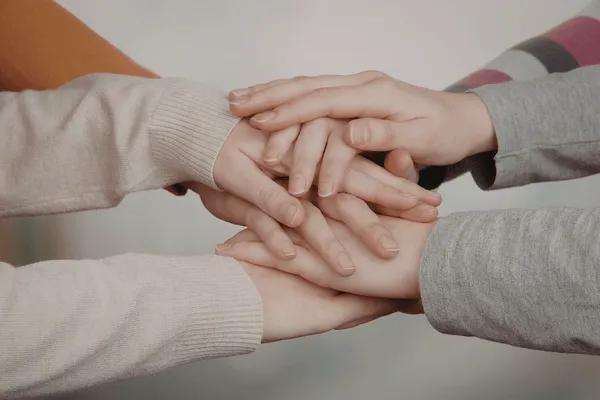
Photo from Pixelshot
What Is a Support Group?
A support group is a gathering of people who share a common experience, something that has shaped their lives in profound ways and left them searching for understanding, tools, and connection.
This could be:
Navigating divorce or separation
Recovering from addiction
Living with a mental health diagnosis
Processing grief or loss
Healing from trauma or abuse
Managing a chronic illness
Supporting a loved one through their own struggle
The group members share certain characteristics that make empathy and understanding feel more natural. You don't have to start from scratch, explaining context or defending your reality. They already know. They've been there.
Participating in a group gives you access to many different stories, perspectives, coping strategies, and solutions that you might not have considered on your own. You learn what's worked for others. You discover you're not the only one who feels the way you do.
Support groups are not therapy. Therapy is one-on-one work with a licensed mental health professional. Support groups are more informal, peer-led gatherings designed to create connection and mutual support. They're often facilitated by someone who has been through the experience themselves and has found their way to the other side.
Both are valuable. And for many people, the combination of individual therapy and group support is what makes transformation possible.
Why Support Groups Work
There's something powerful about being witnessed by people who understand. About speaking your truth in a space where you don't have to perform, explain, or make yourself smaller to be acceptable.
Research supports what so many of us have experienced firsthand: Support groups can significantly reduce symptoms of depression, anxiety, and trauma-related distress. [1] They improve coping skills, increase feelings of hope, and help people feel less isolated in their struggles. [2]
Here's what support groups offer:
A safe space to be honest. You can share what's really happening. Even the messy, complicated, hard parts. All of these without fear of being judged or misunderstood.
The relief of being understood. When someone else nods and says, "Yes, I know exactly what you mean," it's like oxygen. You're not alone. You're not crazy. Someone else has felt this too.
Access to collective wisdom. More perspectives mean more tools, strategies, and ideas. What worked for someone else might be exactly what you need to try next.
Reduced shame. When you hear other people's stories and realize how similar they are to your own, the shame you've been carrying starts to lift. You begin to see that your struggles don't make you broken. They just make you human.
Motivation and accountability. Watching others make progress gives you hope. Sharing your goals with the group creates gentle accountability. Positive peer support can be incredibly powerful.
A sense of belonging. For many people going through divorce or major life transitions, loneliness is one of the hardest parts. Support groups remind you that you belong, that your story matters, that you're part of a community.
Finding the Right Group for You
Years ago, finding a support group meant making phone calls to organizations, hoping someone could point you in the right direction. Now, a simple search can connect you with your people.
Here's how to start:
Get clear on what you need support with.
What's the primary struggle right now? Divorce? Co-parenting? Healing from emotional abuse? Rebuilding your identity? Processing grief?
You don't have to have it all figured out. Just start with what feels most present, most urgent.
Search online.
Use specific keywords: "divorce support group near me," "online support group for women leaving narcissistic relationships," "grief support group virtual."
Many organizations offer both in-person and virtual options, so you can find what works for your schedule and comfort level.
Ask your therapist or healthcare provider.
If you're already working with a therapist, coach, or doctor, ask them for recommendations. They likely know of groups that would be a good fit.
Try a few different groups.
Not every group will feel like the right fit, and that's okay. The facilitator's style, the group's culture, the specific focus—all of these things matter. Give yourself permission to try a few different options until you find one that feels supportive.
Support Groups that You Can Reach Out to
Here are some nationally recognized organizations that offer support groups (many with virtual options):
DivorceCare – Faith-based divorce recovery support
Al-Anon / Nar-Anon – For loved ones affected by someone else's addiction
Co-Dependents Anonymous (CoDA) – For people working on codependency patterns
NAMI (National Alliance on Mental Illness) – Mental health support and education
DBSA (Depression and Bipolar Support Alliance) – Peer-led mental health groups
GriefShare – For those processing loss and grief
SMART Recovery – Evidence-based addiction recovery support
Adult Children of Alcoholics (ACA) – For those healing from childhood trauma and dysfunction
Many communities also have local divorce support groups, women's circles, and trauma healing groups that aren't affiliated with national organizations. A quick search or a call to a local counseling center can point you in the right direction.
What I Learned (And What You Might, Too)
I feel heard. I feel supported. I am not alone.
These were the phrases running through my mind as I left my first meeting.
Listening to other people's stories and watching the nods of recognition as I shared my own, this opened my eyes to something I'd forgotten: We are all connected in our struggles.
Where you feel lost, someone else may have the answer. Where they're struggling, you might have exactly the tools they need.
You don't have to figure this out all by yourself. You don't have to carry it alone. You don't have to pretend you're okay when you're not. You just have to want healing enough to face the fear of walking into that room (or logging into that Zoom call).
You don't have to share right away. You can just listen. One story is often all it takes to remind you: I'm not the only one. I'm not broken. I'm not alone.
This realization is where healing begins.
You Are Worth the Support
If you're reading this from a place of isolation, if you're carrying something heavy and you're not sure how much longer you can hold it, please know: You deserve support. You deserve connection. You deserve to be held by a community that understands.
Reaching out takes courage. Walking into that first meeting takes courage. But you have that courage. You've already shown it by surviving everything you've been through.
One search. One phone call. One step toward connection.
That's all it takes to start finding your way back to yourself—and to the people who will walk beside you as you do.
Choose connection. Choose support. Choose yourself.
You are always worth it.
If You Need Help Now
If you're in crisis or need immediate support, please don't hesitate to reach out:
National Suicide Prevention Lifeline: 988 (call or text)
Available 24/7. Someone is always there, always ready to listen.
Crisis Text Line: Text HOME to 741741
Free, confidential support via text.
You don't have to face this moment alone. Help is available right now.
References:
[1] Pfeiffer, P. N., Heisler, M., Piette, J. D., Rogers, M. A., & Valenstein, M. (2011). Efficacy of peer support interventions for depression: A meta-analysis. General Hospital Psychiatry, 33(1), 29-36. https://doi.org/10.1016/j.genhosppsych.2010.10.002
[2] Kyrouz, E. M., Humphreys, K., & Loomis, C. (2002). A review of research on the effectiveness of self-help mutual aid groups. International Journal of Psychosocial Rehabilitation, 7, 71-86.